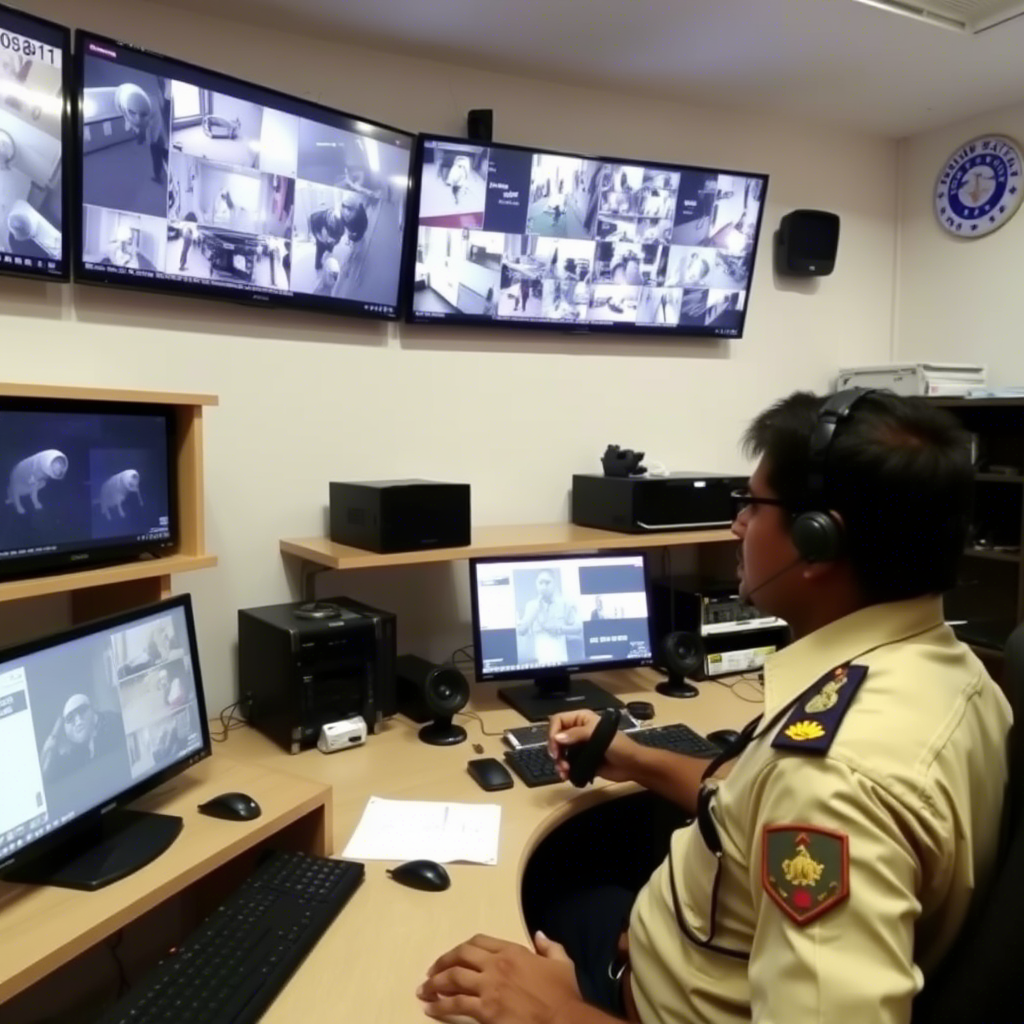

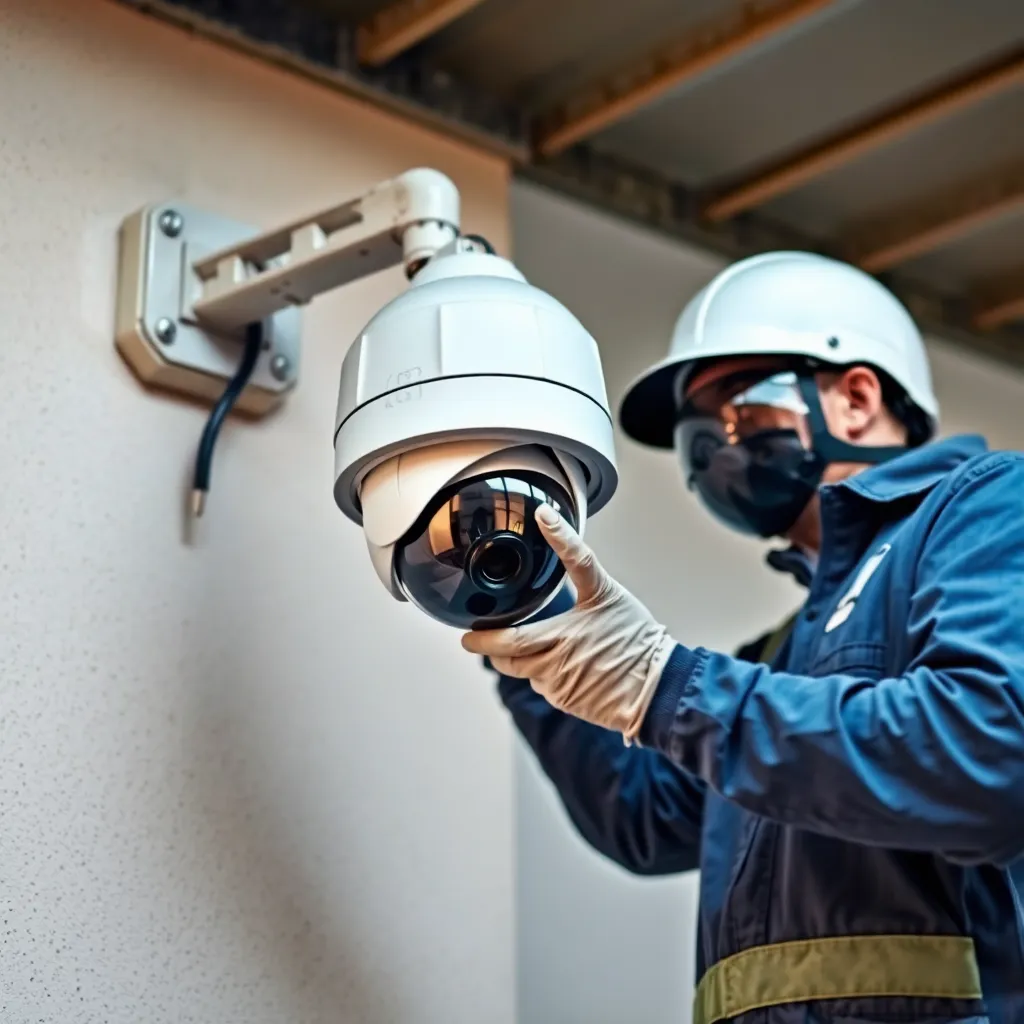


CCTV cameras in lifts are a common security measure, but did you know that improper installation can expose building owners, contractors, and technicians to serious legal, financial, and safety risks ?
While enhancing security is crucial, failing to comply with state and central regulations can lead to penalties, criminal liability, or even insurance claim rejections. Here’s what you need to know before proceeding with CCTV installation in lifts.
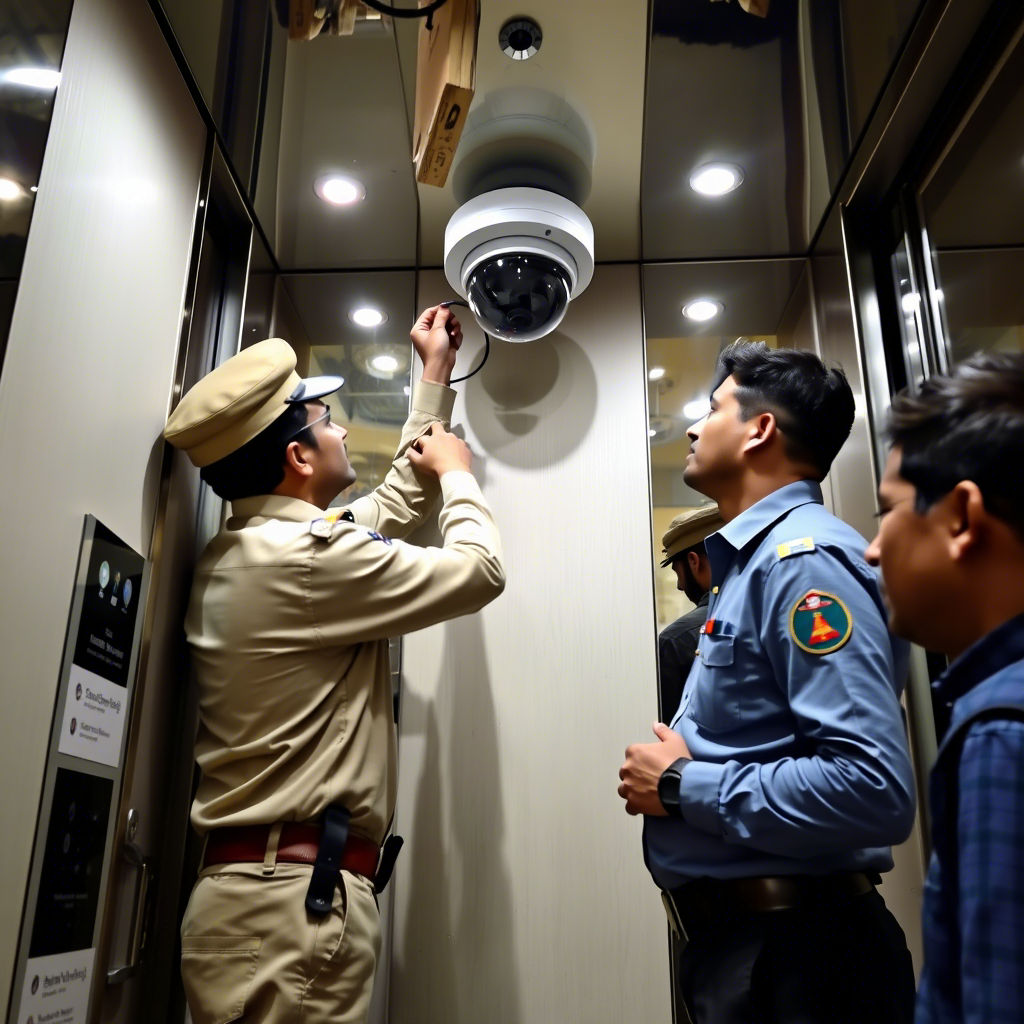
1. Legal Risks: Non-Compliance Can Cost You
A. Maharashtra Lifts Rules, 1963
Any modification to a lift (including CCTV wiring) falls under the purview of the Maharashtra Lifts Rules, 1963 . Key requirements include:
- Permits : Prior approval from local authorities is mandatory for structural or electrical changes.
- Certification : Post-installation inspection by a government-certified lift inspector is required.
- Penalties : Violations can result in fines, imprisonment, or shutdown of the lift until compliance is achieved.
B. Indian Electricity Act, 1910
Improper wiring or electrical faults during installation can violate safety standards under this law, attracting liability under IPC Sections 337/338 (negligent harm) or Section 304A (death by negligence) .
C. Data Privacy Laws
The Supreme Court’s ruling in K.P. Puttaswamy v. Union of India (2017) recognizes privacy as a fundamental right. Installing CCTV in lifts without proper signage or data handling protocols can breach privacy norms, inviting complaints under the IT Act, 2000 .
2. Safety Risks: A Recipe for Accidents
Lift shafts and cabins are high-risk environments . Common safety hazards during CCTV installation include:
- Electrical shocks or fires due to faulty wiring.
- Mechanical interference with lift mechanisms (e.g., door interlocks, emergency brakes).
- Injuries to technicians working in confined spaces without safety gear (e.g., harnesses, intercom systems).
If an accident occurs due to negligence, building owners, contractors, or supervisors may face:
- Civil lawsuits for compensation.
- Criminal charges under IPC Sections 304A or 285 (negligent handling of fire/explosives).
3. Privacy & Data Protection Concerns
Even with good intentions, CCTV in lifts can infringe on privacy if not implemented carefully:
- No audio recording : Section 6 of the IT Act prohibits capturing audio without consent.
- Clear signage : Install visible notices stating “This area is under CCTV surveillance.”
- Data retention : Footage should be deleted after 30–90 days unless used for investigations.
Failure to address these issues can lead to complaints under the Consumer Protection Act, 2019 or reputational damage.
4. Who Bears the Liability?
A. Building Owner/Managing Committee
As the ultimate responsible party, owners must ensure:
- Contractors are licensed and certified.
- All permits and inspections are completed.
- Safety protocols are followed.
Negligence can result in vicarious liability for accidents or legal violations.
B. Lift Contractor/Supervisor
Responsible for:
- Safe operation of the lift during installation.
- Ensuring technicians follow safety rules.
- Compliance with Lifts Rules and Factories Act (if applicable).
C. CCTV Technician
Must:
- Avoid interfering with lift mechanisms.
- Use proper safety equipment.
- Adhere to electrical and data protection laws.
5. How to Mitigate Risks
To protect yourself legally and ensure safety, follow these steps:
✅ Hire licensed professionals with valid certifications under the Lifts Rules and Electrical Rules.
✅ Obtain permits from local authorities before starting work.
✅ Display clear signage about CCTV surveillance inside lifts.
✅ Use certified equipment and follow manufacturer guidelines.
✅ Conduct post-installation inspections by authorized inspectors.
✅ Maintain insurance coverage (Public Liability Insurance, CAR Policy).
✅ Train technicians on confined-space safety and compliance protocols.
Conclusion
CCTV installation in lifts is not just a technical task—it’s a legal and safety-critical responsibility . Ignoring compliance can lead to fines, criminal charges, or insurance claim denials. At CCTV India , we prioritize safe, legal, and privacy-compliant installations to protect your property, people, and peace of mind.
Need guidance on risk-free CCTV installation? Contact us today at [+91-98211-08942] or visit [cctvindia.co.in] for expert support!