


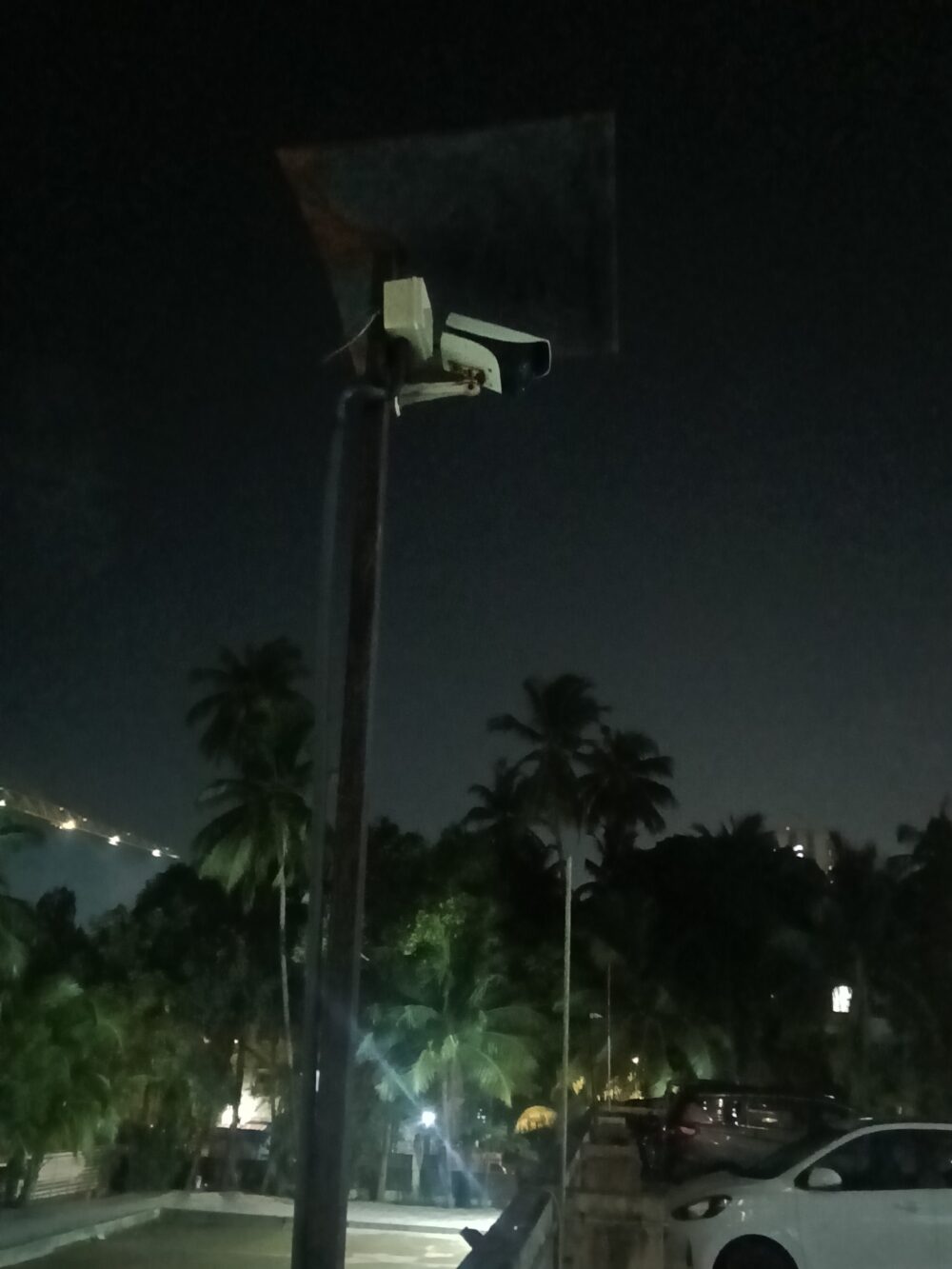
In large parts of India—rural farms, industrial perimeters, construction sites, warehouses, remote estates and border areas—reliable electricity is still a challenge. Traditional wired CCTV systems become expensive or impractical when power lines are absent or unreliable. Solar-based outdoor pole-mounted surveillance cameras solve this problem by combining continuous video monitoring, powerful LED lighting and independent power from the sun.
These systems deliver full-colour night vision, long battery backup, onboard storage and high-zoom PTZ options, making them a practical choice for perimeter and boundary security where grid power is unavailable or costly to extend.
Why Solar-Powered Surveillance Cameras Are Ideal for Indian Conditions
India’s climate offers abundant sunlight for most of the year in the majority of regions. Solar surveillance cameras harness this resource to operate independently. Key advantages include:
- Complete independence from the electricity grid
- Zero or very low running electricity costs
- Rapid deployment on poles without trenching for cables
- Reliable operation during power cuts (common in many areas)
- Dual function: security monitoring + area lighting through integrated or companion LED lights
This combination is especially valuable for farms, factories, godowns, residential societies on the outskirts, mining sites, solar parks themselves, and temporary project sites.
Core Features of Modern Solar Outdoor Pole-Mounted Cameras
Solar Power + Battery Backup
High-efficiency solar panels charge lithium or LiFePO4 batteries during the day. Quality systems are designed to provide several days of backup even in cloudy weather or monsoon periods, ensuring round-the-clock operation.
Full-Colour Night Vision
Unlike older infrared-only cameras that produce black-and-white images, advanced models deliver full-colour video at night. This is achieved through sensitive sensors, smart illumination and sometimes low-light colour technology, making it easier to identify people, vehicles and incidents after dark.
Integrated or Companion LED Lighting
Many pole-mounted solar systems include or pair with powerful LED floodlights. These lights improve visibility for both the camera and on-site personnel, act as a visual deterrent, and support safer movement around the perimeter after sunset.
PTZ Cameras with Up to 40X Optical Zoom
For large boundaries and long perimeters, Pan-Tilt-Zoom (PTZ) models are highly effective. Optical zoom up to 40X allows operators or AI analytics to focus on distant activity without losing detail. Auto-tracking, preset tours and wide coverage make these ideal for farms, industrial compounds and large open areas.
Onboard Storage and Flexible Connectivity
Footage is stored locally on high-capacity microSD cards or solid-state storage (often 128 GB–1 TB+). Many systems also support 4G/LTE connectivity for remote viewing and alerts when Wi-Fi is unavailable—common in remote Indian locations. Cloud options can be added where network access exists.
Rugged Outdoor Design
Weatherproof (IP66 or higher) housings, wide operating temperature ranges and pole-mount kits ensure reliable performance in Indian summers, monsoons and dusty environments.
Common Applications Across India
- Agricultural farms and orchards – protect crops, equipment and livestock
- Industrial plants and warehouses – secure long boundaries without expensive cabling
- Construction and infrastructure sites – temporary yet reliable monitoring
- Residential societies and farmhouses on city outskirts
- Remote offices, telecom towers and solar installations
- Educational campuses and institutional perimeters in semi-urban areas
How These Systems Work in Practice
- Solar panel charges the battery during daylight hours.
- Camera and LED light draw power from the battery 24/7.
- Video is recorded continuously or on motion detection to onboard storage.
- Users can view live or recorded footage via mobile app or web browser (through Wi-Fi, LAN or 4G).
- Intelligent alerts (motion, human detection, vehicle detection) notify security teams in real time.
Installation is typically straightforward: mount the solar panel, battery unit and camera on a suitable pole or existing structure, orient the panel for maximum sunlight, and configure the system.
Choosing the Right Model
Selection depends on the size of the area and specific needs:
- Fixed or bullet-style cameras for focused coverage of gates and critical points
- PTZ models with high optical zoom (up to 40X) for large perimeters and open spaces
- Systems with stronger batteries and larger solar panels for regions with longer monsoon periods or higher nighttime activity
- Models offering both colour night vision and strong LED illumination for maximum deterrence and identification capability
Look for systems that clearly specify battery capacity (in Wh or Ah), solar panel wattage, expected backup days, and storage options.
Benefits Over Traditional Wired CCTV
- No dependency on grid power or generator runtime
- Lower installation cost in remote or large-area sites (no long cable runs)
- Faster deployment
- Lower long-term electricity and maintenance costs
- Ability to light and monitor previously dark or unsecured zones
Solar-powered outdoor pole-mounted surveillance cameras with battery backup, full-colour night vision, LED lighting and high-zoom PTZ options offer a practical, scalable solution for boundary security across India. They are particularly well-suited to locations where electricity is unreliable or absent, turning previously difficult-to-secure areas into well-monitored and illuminated spaces.
Whether you manage a farm, industrial facility, construction project or large residential property, these systems provide continuous visibility and deterrence without the usual power and cabling constraints.
For site-specific recommendations on panel size, battery capacity, zoom requirements and connectivity (4G vs Wi-Fi), consult a qualified solar surveillance solution provider who understands Indian environmental and operational conditions